

[ad_1]
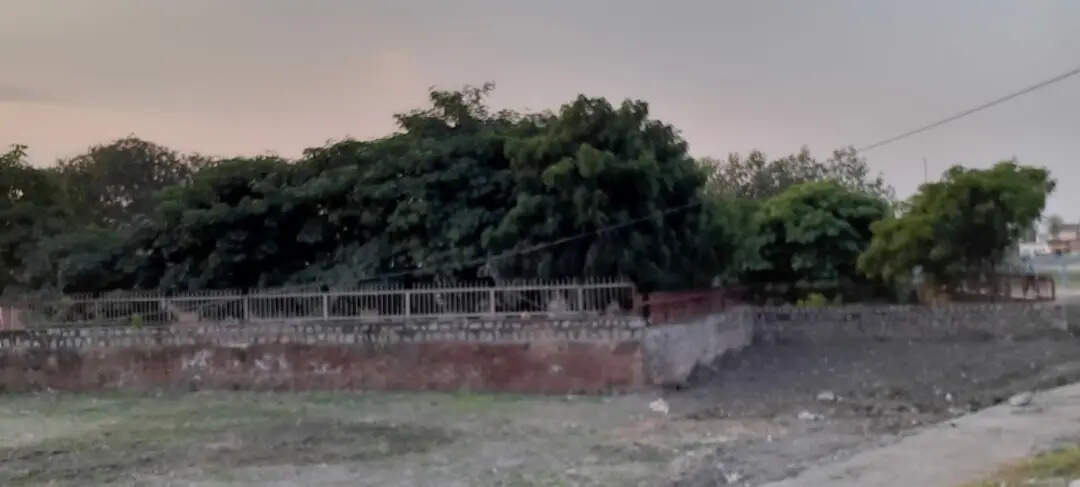
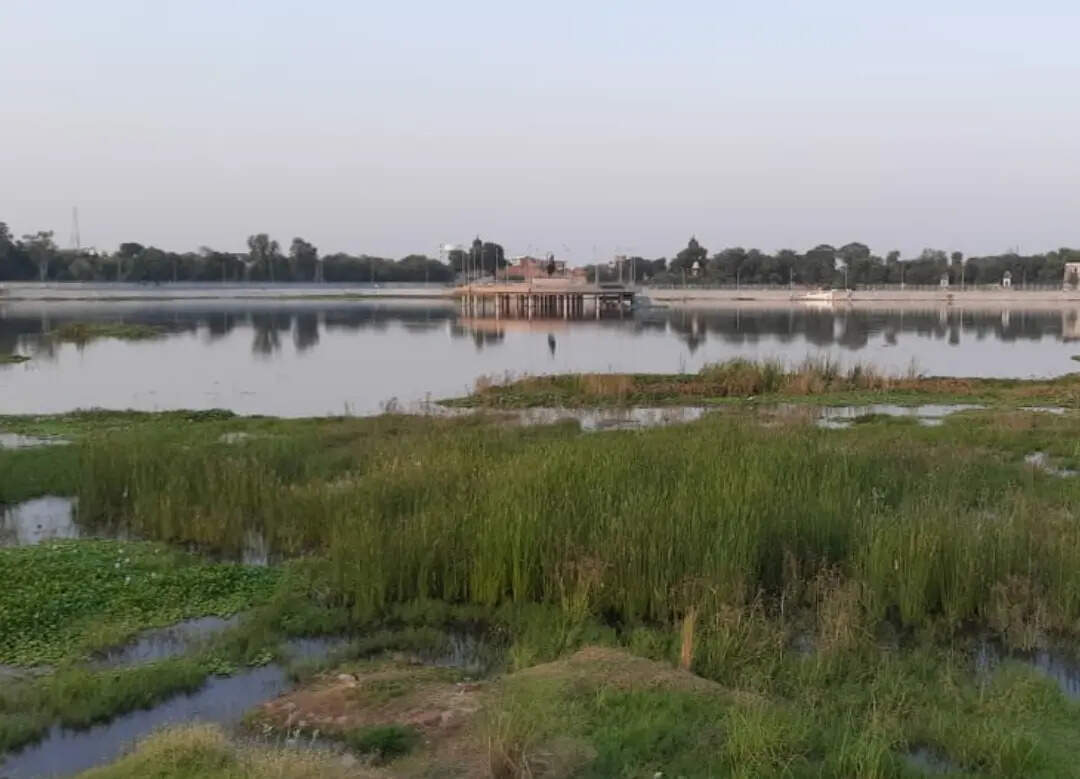
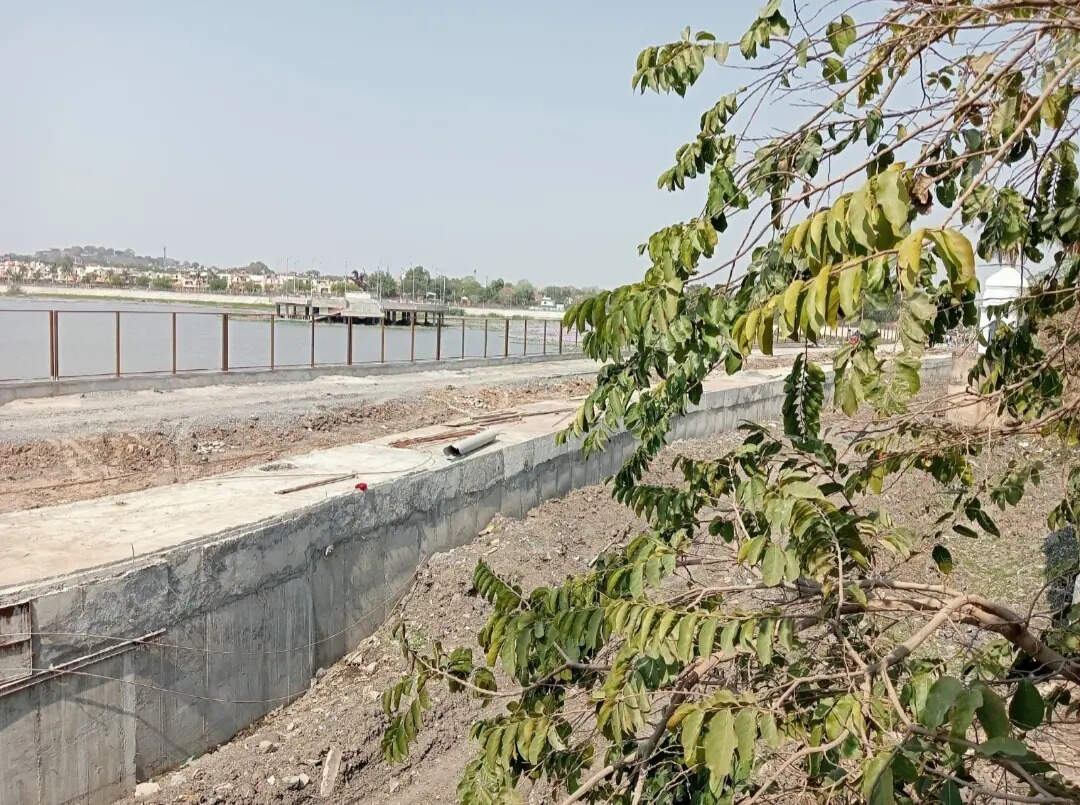
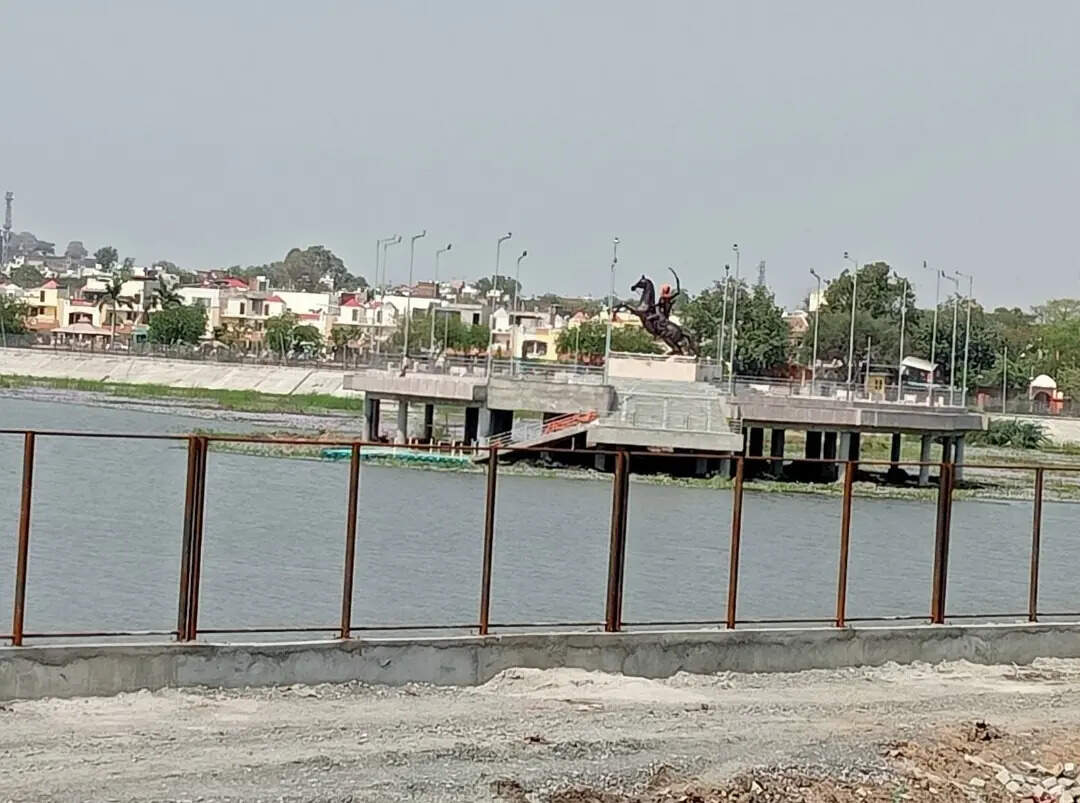
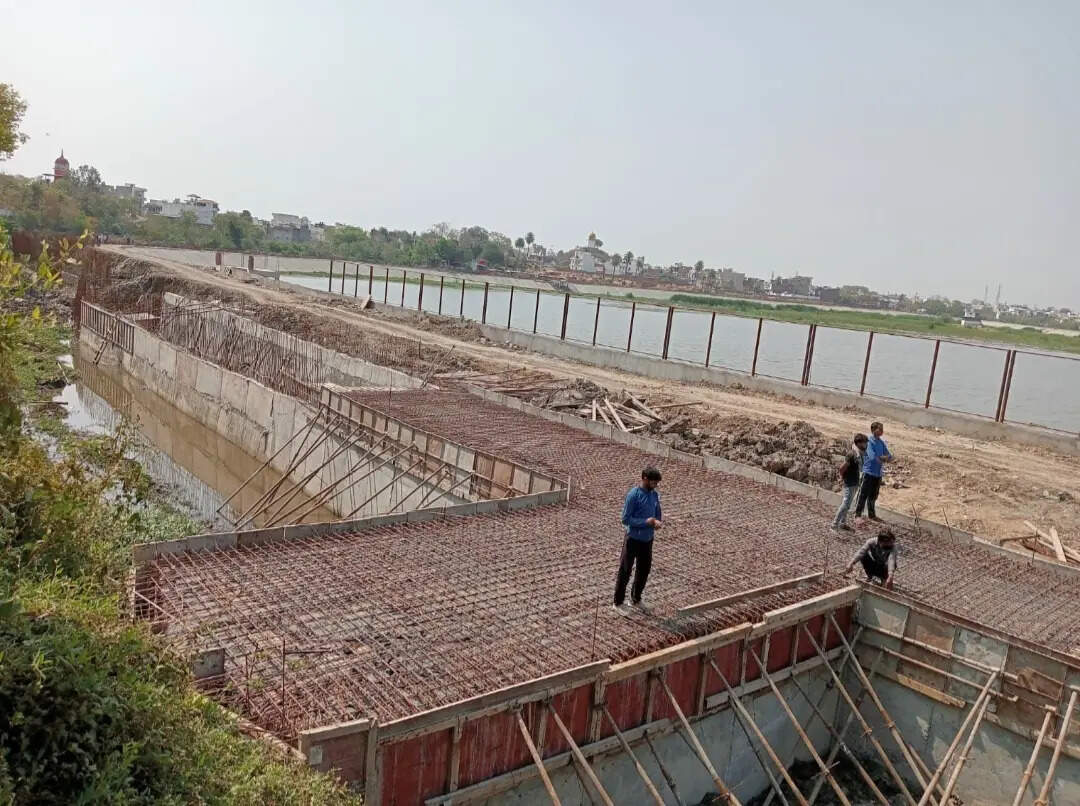
Jhansi: During a recent hearing of the National Green Tribunal (NGT), the three-member principal bench headed by Justice Prakash Srivastava examined a report submitted by a joint committee constituted on its directions. The report flagged multiple lapses during beautification work of the historic Laxmi Tal, a 17th-century Maratha-era water body highlighting that large-scale concretisation has caused significant and potentially irreversible ecological damage to what was once a classic wetland.According to the findings, the original spread of the pond, measuring 33.068 hectares, has now been reduced to just 20.76 hectares of actual water body. A substantial portion of the area has been overtaken by construction activities, including a statue built on a concrete island at the centre, a 3.5-metre-wide concrete pathway encircling the pond, along with drains, bunds, parking space and fencing developed under the Jhansi Smart City project.The report further revealed that the water quality in Laxmi Tal has deteriorated drastically and has been graded ‘E’, indicating extremely low dissolved oxygen levels and high bacterial contamination. This means the water is unfit for most uses, except limited purposes like irrigation and industrial cooling.The joint inspection team, comprising officials from the ministry of environment, forest and climate Change (MoEF&CC), the Archeological Survey of India and the Central Pollution Control Board (CPCB), carried out a detailed assessment, including an aerial survey, which pointed out several environmental violations.A major concern raised by the committee is the poor functioning of a 26 MLD sewage treatment plant (STP) constructed nearby at a cost of around ₹35 crore. The plant is reportedly not operating at full capacity, resulting in the discharge of a mix of untreated and partially treated sewage into Laxmi Tal from multiple drains and residential colonies.This polluted discharge is also affecting the nearby Narayan Bagh, a century-old green zone considered the “oxygen chamber” of the city, where significant vegetation, including old trees, has already been damaged. The contamination is reportedly spreading further towards Garhmau Jheel, raising fears of a wider ecological impact.The report also noted regulatory lapses, stating that the STP, operated by a private firm, has not obtained the mandatory consent to operate under provisions of the Water Act and Air Act from the state pollution control authorities.Environmental experts have warned that excessive concretisation disrupts the natural self-cleaning mechanism of water bodies, turning them into stagnant reservoirs where water quality deteriorates rapidly. In recent months, repeated incidents of fish deaths have been reported in Laxmi Tal, while local residents have complained of persistent foul odour from the area, underscoring the worsening environmental condition.In its remedial measures, the joint committee has also indicated that the pond has a historical and environmental importance and stated “the overall water quality of Laxmi Tal has become poor and the water ecosystem is damaged. In this regard, the district authority should prepare the action plan for its mitigation and restore its natural integrity with the help of UPPCB and the Environment Department of the Bundelkhand University”.Applicant Narendra Kushwaha said, “We have more points which we will be keeping in front of the tribunal which have been overlooked in the report”.Advocate Akash Vashishtha said, “The report is very crucial and critical and will help in understanding the severity of the environmental degradation of the pond”.
[ad_2]
Source link